

If you’re considering buying an electric trike—or thinking about becoming a distributor—one of the most common questions you’ll hear is: “How long will it last?”
It sounds like a simple question about lifespan, but the answer is more like running a marathon: it depends not only on the starting equipment (quality) but also on how you run the race (usage and maintenance).
As a trike manufacturer with years of export experience, we get this question almost every day. Today, we’re taking you behind the scenes to reveal the secrets of an electric trike’s lifespan.
1. The “Three Key Factors” of Electric Trike Lifespan
Lifespan might sound mysterious, but it can actually be broken down into three core elements:
Battery Life
The battery is the “heart” of the trike. Most electric trikes use either lead-acid or lithium batteries.
- Lead-acid batteries: Cycle life around 400–600 times, usually lasting 2–3 years under normal use.
- Lithium batteries: Cycle life around 800–1500 times, and with proper care can last 4–6 years.
Interestingly, many customers ask: “Can the battery live longer?”
The secret is in your charging habits.
Just like humans shouldn’t overeat, batteries don’t like overcharging or being completely drained.
—If you “feed” it gently every day, not letting it get too hungry or overstuffed, your battery will thank you.
Motor Life
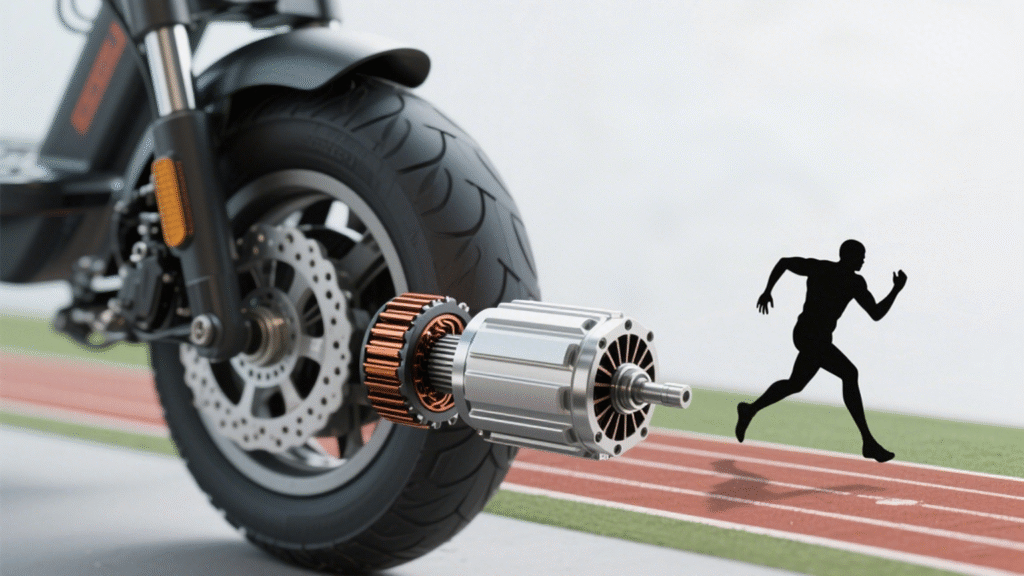
The motor is like the trike’s legs. Compared to the battery, it’s an endurance champion.
A high-quality brushless motor can theoretically last 10+ years, as long as you don’t abuse it daily in heavy rain or mud.
The motor’s biggest enemies are overload and water ingress. Imagine asking a sprinter to run a marathon while carrying 200 kg—you get the idea.
Frame & Components
If the battery is the heart and the motor the legs, the frame and components are the skeleton and joints.
A high-quality steel frame or reinforced welding can easily last 8–10 years.
Of course, consumables like brake pads, tires, and lights are meant to be replaced every few years—this is completely normal.
2. Average Lifespan: How Long Can an Electric Trike Run?
If you want a general answer, here it is:
- Standard-quality electric trikes: about 3–5 years
- High-quality factory-made electric trikes: can reach 6–10 years
The difference is like using a disposable umbrella versus a professional trekking pole on a mountain hike. The former might break after a few steps; the latter can carry you over multiple peaks.
Here’s a classic example from our factory:
A customer in Nigeria first purchased a batch of electric trikes in 2018. Even in 2023, he regularly sends photos showing those “old friends” still ferrying passengers on the streets. The only replacements were batteries and tires; the frame and motor remain solid.
—This is the perfect proof of quality combined with proper care.
3. Usage Habits: Care for Your Trike, and It Will Care for You
Lifespan isn’t just determined by the factory—it also depends on the user. Many customers ask, “How many years will it last?” The real key is: how you use it.
A few tips to double your trike’s lifespan:
- Charge regularly — don’t wait until it’s completely dead, and don’t leave it charging all night until it overheats.
- Avoid overloading — your trike is a partner to earn money, not a laborer.
- Regular maintenance — tighten screws and adjust brakes; prevention is always better than repairing breakdowns.
- Protect from water and moisture — electric systems dislike “bathing,” especially in heavy rain or puddles.
At the end of the day, a trike is like a horse. Feed it well and groom it regularly, and it will carry you far; abuse it with heavy loads and constant rain, and even the strongest trike will age prematurely.
4. Hidden Factors Affecting Lifespan
Beyond quality and usage, there are a few less obvious factors:
- Road conditions: smooth city streets vs. rough rural dirt roads.
- Climate: tropical regions are gentler on batteries, while cold climates may accelerate battery degradation.
- Maintenance culture: some users check their vehicles regularly, others only repair when something breaks. This directly impacts longevity.
For example, one of our customers from Pakistan uses his trikes in mountainous areas with rough roads. He changes the tires roughly every six months, yet the motor remains strong. This shows that different parts have different “lifespan charts” depending on the environment.